

Blog
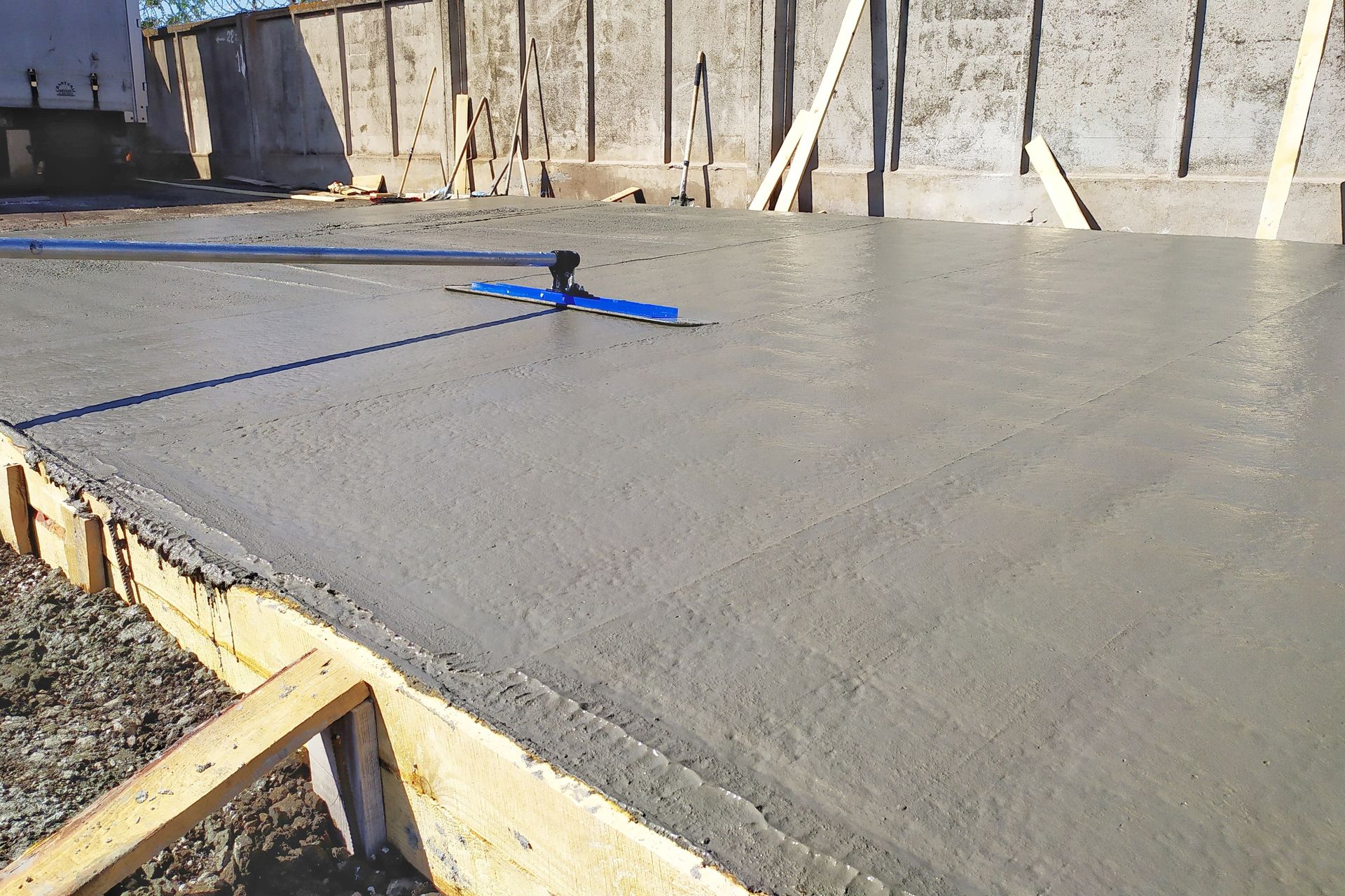
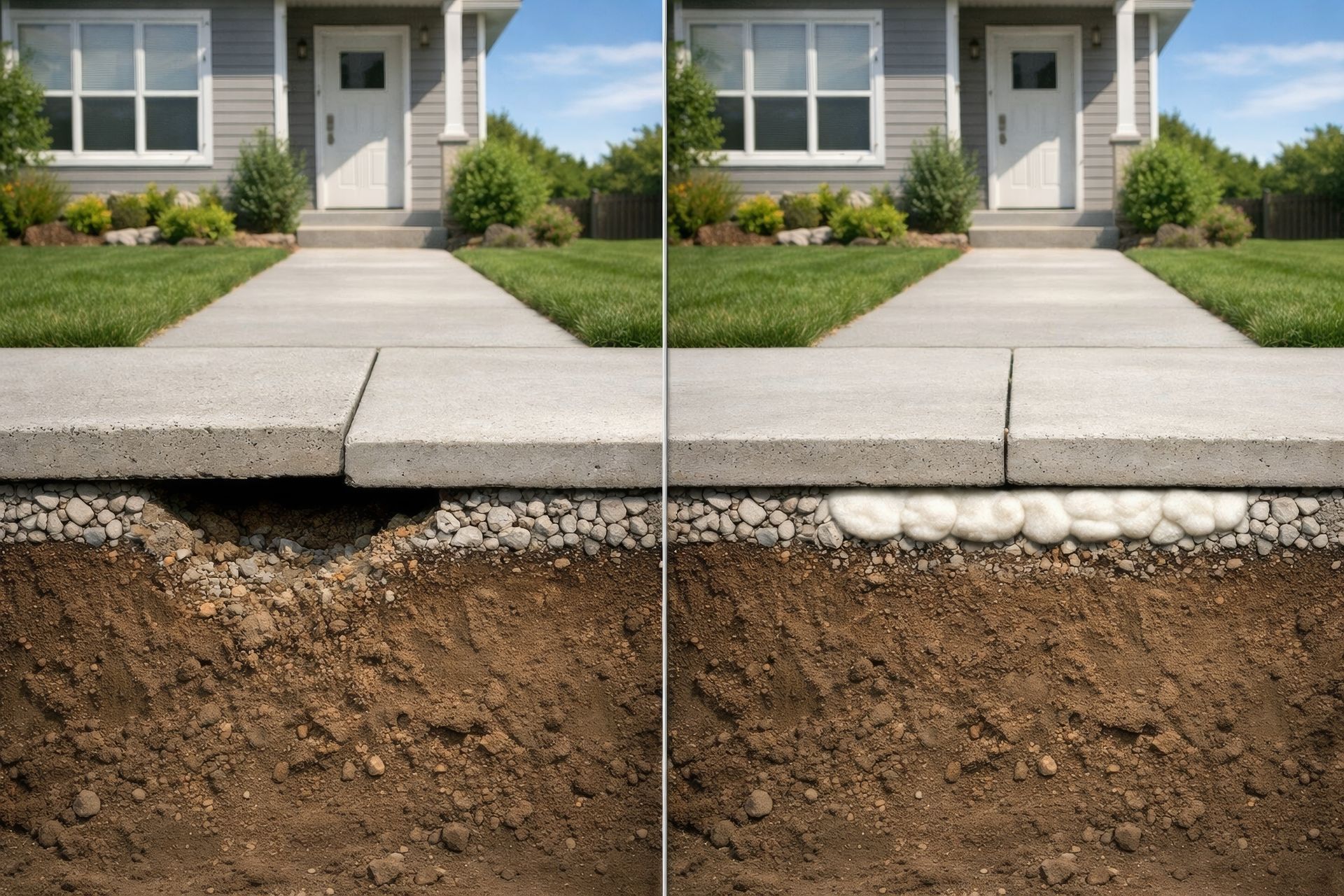
Homeowners in Bloomington, IL, dealing with sunken driveways, tilted sidewalks, or sinking patio slabs have two main concrete leveling options: traditional mudjacking and polyurethane foam injection. Here is how each method works, how they compare for Central Illinois conditions, and which may be the better fit for your property. Why Bloomington Concrete Settles in the First Place Much of Central Illinois sits on expansive clay and glacial till. That soil absorbs moisture and swells, then dries out and contracts, stressing the ground beneath your slabs. Winter makes things worse. Water beneath a slab freezes and expands, pushing the concrete up. When it thaws, the slab drops back down, sometimes not quite where it started. After enough seasons, that repetition adds up. Surface runoff from gutters and sprinklers also erodes base material over time. Driveways near downspouts, sidewalks along Illinois Avenue, and patios in older west-side neighborhoods are all common candidates for repair. How Does Mudjacking Work? Mudjacking is one of the most established concrete leveling methods in the Midwest. The process involves drilling small access holes in the slab, then pumping a grout mixture beneath it to fill voids and lift the concrete back to grade. Technicians monitor the lift for an even surface, then patch the holes and clean the site. Mudjacking works well for heavier slabs and larger surface areas such as full driveways and garage floors. Because the slurry is denser than the surrounding soil, it can add load to already-soft ground, which may be a consideration on McLean County properties with saturated clay. Most areas can be used within 24 to 48 hours after the work is complete. Best Surfaces for Mudjacking Driveways and garage floors with moderate to significant settlement. Sidewalk panels along residential streets in neighborhoods like Sheridan Drive or Towanda Avenue. Steps and front stoops where heavy support is needed. Patio slabs with wide void areas beneath them. How Foam Concrete Leveling Works Polyurethane foam injection uses a two-part expanding foam injected through small drilled holes. The foam expands, fills voids, and lifts the slab within minutes. Foam typically costs more than mudjacking but cures faster and puts less weight on the soil. Because it is lightweight, it does not add significant load to compromised subgrade, which helps in areas where erosion has created large voids. Foam also resists moisture absorption better than grout, giving it an edge in areas prone to repeated freeze-thaw cycles. Best Surfaces for Foam Injection Smaller residential sidewalk panels and patio sections. Areas with moisture sensitivity or drainage concerns. Surfaces where faster cure time is a priority. Locations where minimal added weight to the subgrade matters. Mudjacking vs. Foam: A Side-by-Side Comparison Both methods can effectively address sunken concrete when the slab itself is still structurally sound. Cost Trade-Offs Neither method requires demolition or a full concrete pour, making both far more budget-friendly than replacement. Mudjacking typically carries a lower upfront cost, while foam injection runs higher due to material costs. Contact a local contractor for a free quote, since project scope, surface area, and void depth all affect final pricing. Performance in Central Illinois Clay Soils Sidewalks and slabs in Central Illinois commonly sink due to soil erosion, poor compaction, freeze-thaw cycles, and water damage. Both methods address these causes by filling voids and restoring a stable base. Foam's lighter weight may help on heavily saturated soils, while mudjacking's density can provide firmer support on moderately settled slabs. Longevity and Durability Both methods can deliver lasting results when drainage issues are also corrected. Ask your Bloomington contractor whether their quote includes addressing the underlying soil problem. Skipping that step can lead to repeat settlement regardless of which method is used. Frequently Asked Questions About Concrete Leveling Bloomington IL
Learn why clay soil & freeze-thaw cycles sink concrete in Champaign, IL. Jack-A-Slab offers free estimates for residential concrete lifting. Call today!
See why concrete mudjacking outperforms foam injection on most Champaign, IL, properties. Jack-A-Slab Construction, Inc. offers free estimates. Call today!
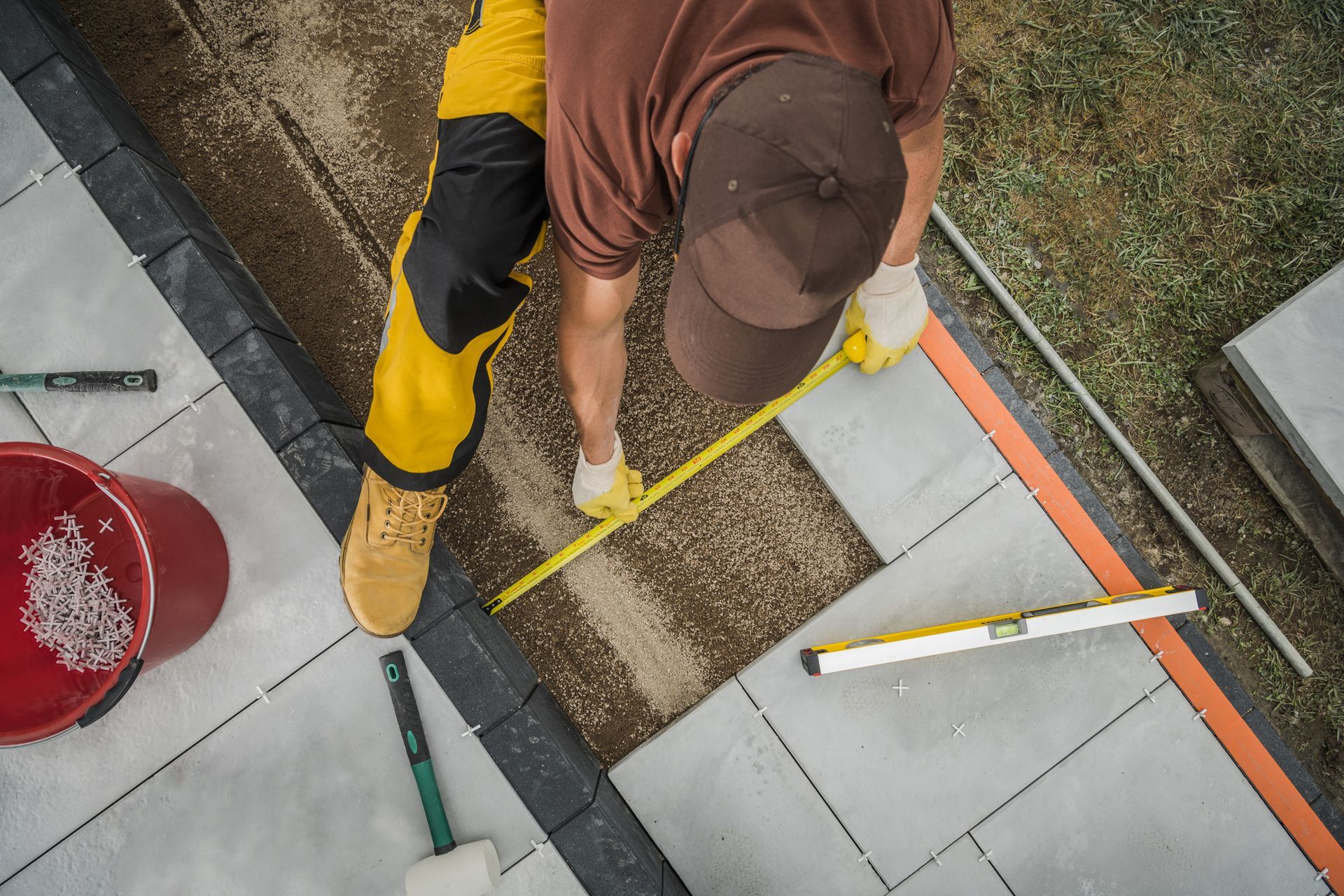
A practical guide from Jack-A-Slab Construction Inc on how sidewalk leveling works, common causes of sinking concrete and when to choose mudjacking.
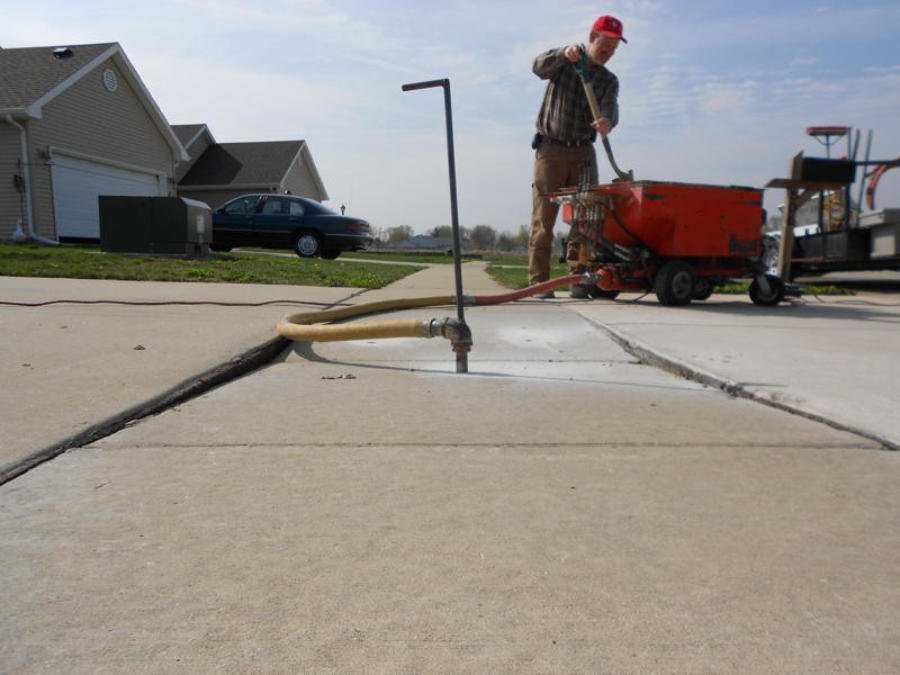
Discover how Champaign, IL weather affects concrete raising and how Jack-A-Slab Construction Inc solves seasonal slab issues with durable lifting solutions.
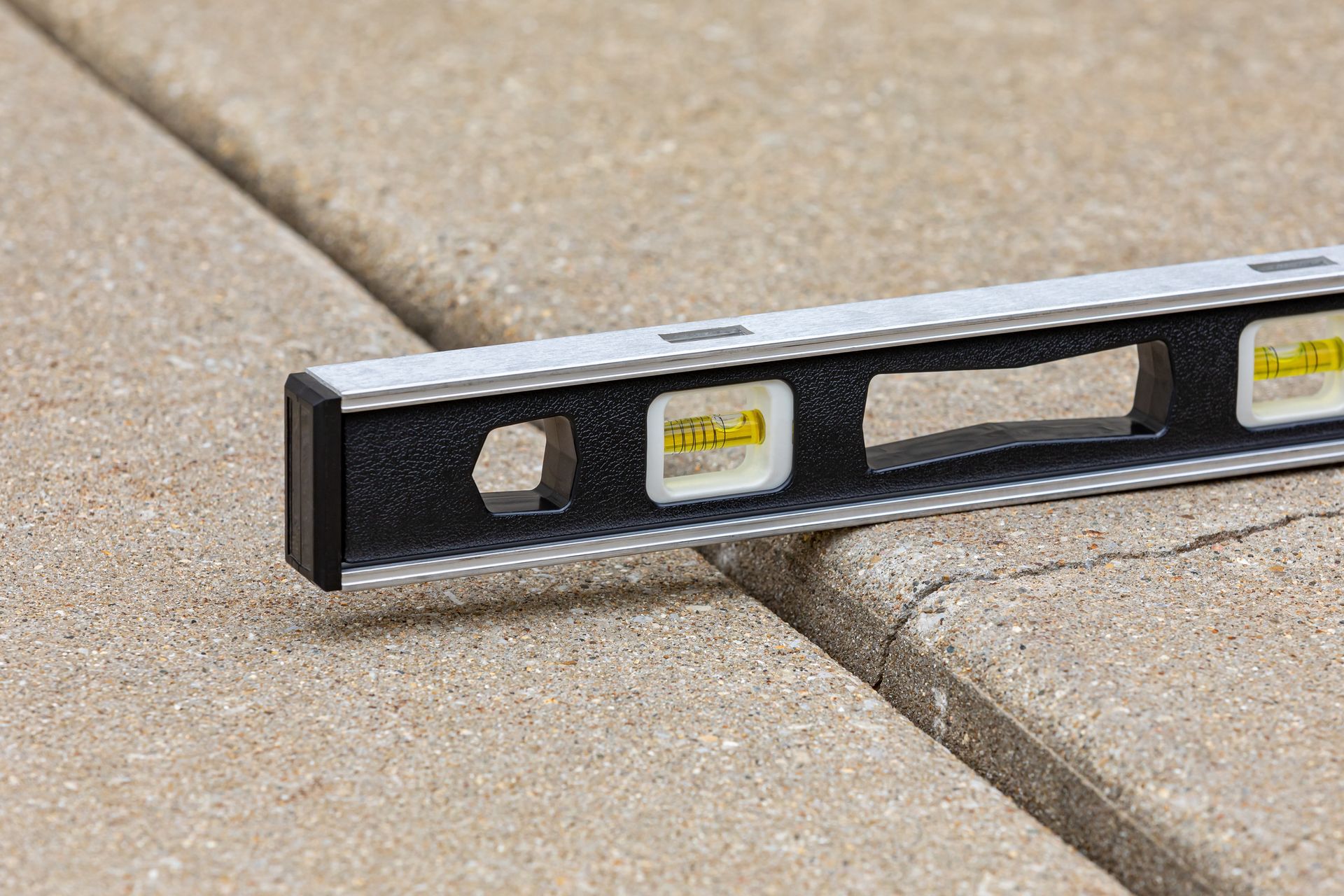
Learn how commercial concrete raising from Jack-A-Slab Construction Inc reduces trip hazards, extends slab life and saves money versus replacement.
Learn maintenance tips for raised concrete surfaces in Bloomington and Central Illinois from Jack-A-Slab Construction Inc to keep slabs level and protected.
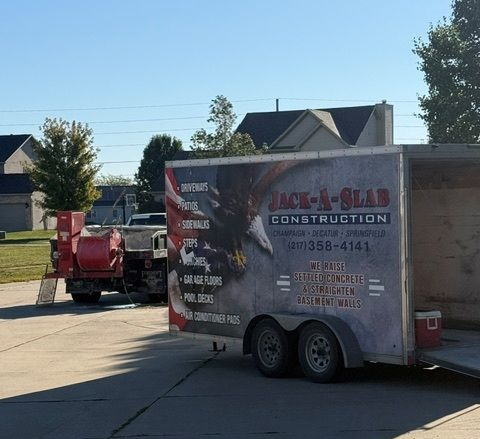
Follow five simple steps from Jack-A-Slab Construction Inc for raising uneven concrete in Bloomington and Central Illinois with trusted concrete raising services.